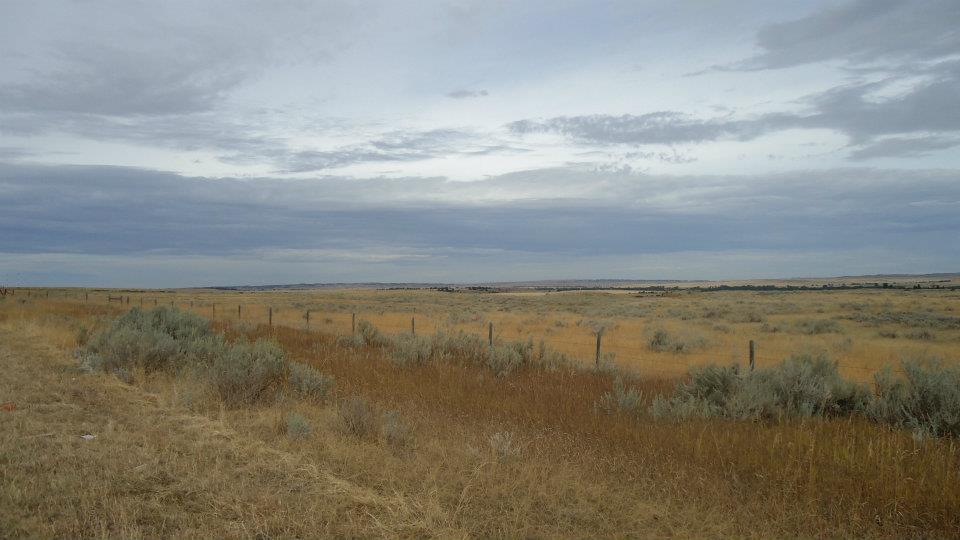
I began my career in eastern Montana strategizing on how to improve food access in several remote towns, particularly for children participating in the National School Lunch Program. This included four months living in the town of Lame Deer on the Northern Cheyenne Indian Reservation where I gained a first-hand perspective of the challenges to food access.
Unlike many other communities in the region, Lame Deer was lucky enough to have its own grocery store. However, because the town was so far off all major highways, it was always last on the stop for deliveries.
Fresh foods had practically expired by the time they even arrived in town, and I would see produce literally rotting on the grocery store shelves.

Because of the high travel costs, this food was also more expensive. I bought milk at this store if I had to but did most of my grocery shopping in Colstrip, a town twenty miles north.
I was privileged in that I was one of the few people in town who could afford the fuel to make the trip, since buying gasoline on the reservation was astronomically expensive. As a result, many Lame Deer residents had no other option but to buy food at the grocery store, which forced them to depend on the processed and shelf-stable options which survived the trip to their local shelves.
This community was extremely food insecure. (It is important to note that my experience took place a decade ago, and I’m sure that many things have changed. I cannot speak to the current conditions in Lame Deer.) Although I was embraced by a compassionate, enthusiastic community and worked with many dedicated activists, the barriers to building food security were huge.
The Pillars of Food Security

As empathetic creatures, we tend to have a profoundly emotional reaction to the idea of hunger. While we should all ache at the idea of anyone going hungry, it is equally important that we use quantitative tools and frameworks to assess and analyze food insecurity.
The Food and Agriculture Organization (FAO) is a specialized agency within the United Nations that specifically fights hunger, and in 1996 the World Food Summit and FAO produced a framework for evaluating food security. This framework identifies four determinants of food security:
- Availability- The supply side of food determined by production, trade, etc.
- Access- Do people have physical and economic access? Can they get to it, and can they afford it?
- Utilization- Are the available foods functional? Do people know how to prepare them? Do they meet nutritional and cultural needs?
- Stability- Are these dimensions consistent over time?
Using these pillars allows us to make objective assessments and develop targeted solutions for ending hunger under a variety of conditions. Using this lens to examine conditions in Lame Deer helps us better assess what solutions might be plausible.
Availability

Although communities like Lame Deer, MT lack availability, as a nation we are rich with food. The United States has enough food available to feed every member of the population and the capacity to trade for what it doesn’t produce itself. Eastern Montana may have weaker availability than other regions, but that is through neglect rather than an actual shortage of supplies.
Access
Lame Deer residents did not have physical or economic access to food. Even if they could afford the high costs for that region, driving forty miles round trip to the Colstrip grocery store was prohibitive. Access was a primary barrier for this community to be food secure.
Utilization

Lame Deer’s food supply neglected their cultural needs. The Northern Cheyenne tribe traditionally lived on wild game and foraged foods that are not available on the small plot of land allocated to them by the federal government. Residents could not get to or afford the food they needed to be healthy.
The foods available also did not meet anyone’s nutritional needs since most of it was heavily packaged, processed, and high in fats and sugars. There were few options for fresh produce.
Stability
Unfortunately, these conditions were consistent in all the wrong ways. At the time, there were few options available for changing food access for the better. The impacts of colonization and the harsh, isolated territory made it unlikely that access or utilization would improve for residents.
Hunger Solutions Aren’t Always About Food
Although this exercise certainly highlights the challenges of living in this community, it allows us to focus on the most effective solutions. Simply bringing more food to the community may not be plausible or effective. Instead, this helps us consider how:
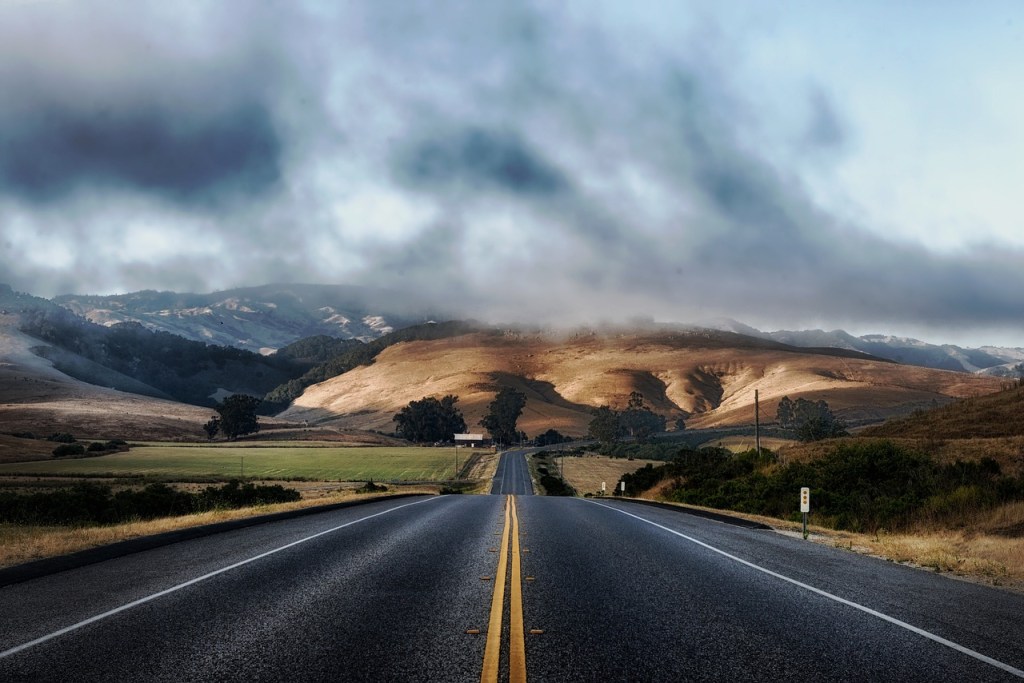
-Building a highway bypass from the nearest big city might enable food to arrive more quickly at the grocery store.
-Subsidizing a regular shuttle between Lame Deer and the Colstrip grocery store would allow people to access better food.
-Are there policy solutions for lowering the cost of gasoline on the Reservation?
-You may be dying for me to add community garden to this list- it is a potential option, but eastern Montana is a tough environment for growing produce, and the reason the Northern Cheyenne were allocated this land by the U.S. government is because it is neither fertile nor friendly, so it’s not a practical solution to food insecurity.
The pillars of food security are an important tool for examining the barriers for hungry communities. It’s easy to get caught up in the idea that ending hunger just calls for growing, harvesting, and processing more food (which is why the focus tends to fall on improving agricultural yields), but our country’s food supply is rarely the problem. While ending hunger certainly depends on ensuring everyone eats today, effective solutions will come through eliminating barriers rather than producing more food.
The opinions expressed here are solely my own and do not express the views or opinions of my employer.
Want to learn more about food justice? Subscribe so you never miss a post!

 Reintroducing justice and dignity to the fight to end hunger
4 thoughts on “When Hunger Can’t Be Solved with Food”