
Imagine walking into your favorite restaurant. You know the staff is going to be kind and friendly. You are anticipating what foods you’re likely to enjoy, and you’re confident that it will be served safe and clean. You leave feeling nourished, pampered, and fulfilled.
Although they differ in many ways from a restaurant, food pantries should aspire to imbue their visitors with the same feelings. How your guests are welcomed impacts how they feel about their entire experience. A clean environment with reliably high-quality options will help clients feel respected and empowered. High standards of food handling and safety contribute to an air of professionalism. Quality foods help avoid the feeling that shoppers are receiving society’s discarded and unwanted options.

Maintaining such high standards is hard for organizations that primarily depend on the labor of volunteers. When there are a million responsibilities to manage, it can be hard to repeat food safety training every day for your team to ensure consistency. Volunteers may be uninterested, not adhere to your standards, or not even understand the value of dedicating this extra level of dignity to your clients.
But by continually pushing for the highest quality of dignity, food safety, and facility maintenance, you ensure that guests feel more comfortable, that your food stays safe, and that you have an operation you can be proud of and where your clients leave feeling taken care of.
Here are my four top tips for adding that extra level of professionalism your food pantry deserves to provide a high-quality food service experience for your community.
1. Keep bad or spoiled food out of sight

No matter what, food pantries regularly receive food that is not appropriate to distribute. Grocery stores may donate items that they can’t bear to throw away even though they are clearly inedible. Produce from the food bank may not last as long as we’d hoped. A donor may throw a whole mess of items together in a box that may be crushed, damaged, or contaminated. Every food pantry must dedicate significant effort to sorting the good options from the bad.
Keeping this process out of sight of clients helps reduce or eliminate the impression that food pantries only receive and distribute cast-off, undesirable foods.
No one wants to feel like they are eating garbage, and clients don’t need to know if your food supply was salvaged from a motley collection of questionable donations. Just like making sausage, witnessing the process may negatively impact how clients feel about the good food they do receive.
2. Keep the pantry clean
One of the most common complaints I hear from clients who visit food pantries is that they’re concerned about the cleanliness of the facility. As organizations that primarily depend on volunteer labor, sometimes it can be hard to maintain the building.
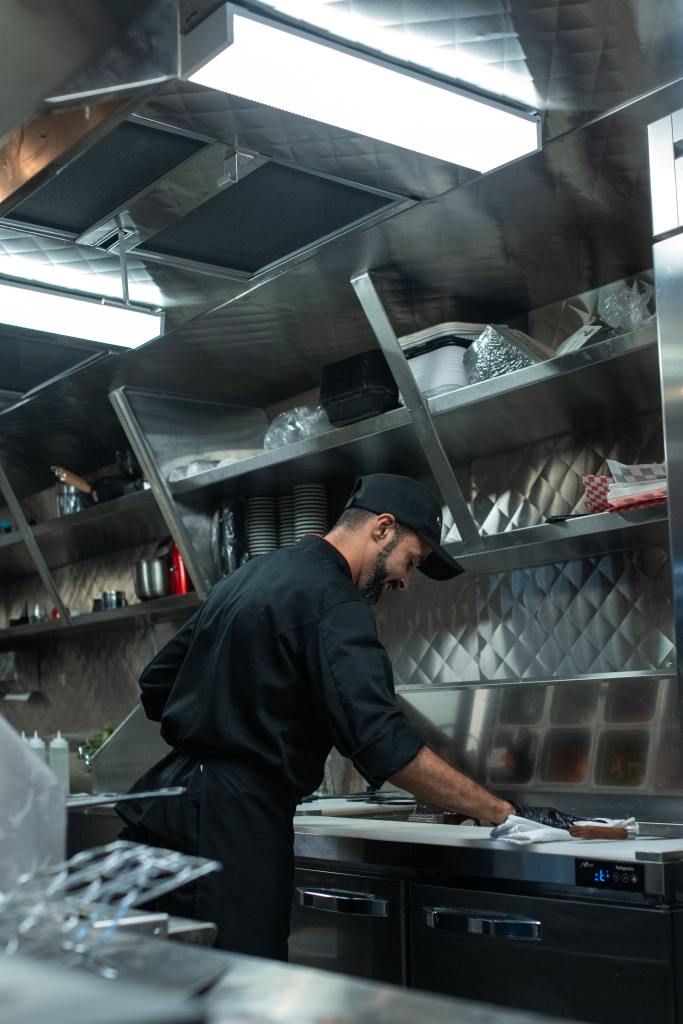
Coordinators may be reluctant to add cleaning responsibilities to the volunteer role when the team is focused on supporting clients. Volunteers may not know how to prioritize these responsibilities or may not have adequate training on how to do it well. Staff may not have the capacity to do it all themselves.
Consider establishing a daily check list for volunteers and specific, mandatory cleaning procedures.
For example, my food pantry displays produce in gray plastic bins that are washed and sanitized once emptied. Even if there is only one dirty bin at the end of the day, we still require completing the wash/rinse/sanitize process to ensure everything is kept appropriately clean and food safe. Establish which procedures may have short-cuts and which ones are nonnegotiable.
3. Apologize for spoiled food
Occasionally, no matter how good your team is, food that really shouldn’t be given away makes it up to the pantry shelves. Particularly in the summer heat, food that was already near the end of its viability may go bad for clients to see. When a client points out that something has spoiled, we immediately grab it and apologize, commenting on how embarrassing it is that it happened.
By ensuring our clients know that we recognize that they deserve better, we help them feel respected and dignified. In the same way a restaurant would apologize for serving a faulty meal, we apologize for presenting our clients with poor food options.
4. Thank the people you serve

Food pantry clients need food pantries. We offer an essential resource for people who are struggling to access the food they need to get by. But with the stigma and shame around utilizing food assistance, clients don’t want to be reminded of their dependence on this service. That’s why we always thank our clients for visiting us, and let them know that we’re grateful they came in.
In the same way our clients need us, we need our shoppers- increasing food security makes our entire community stronger and healthier. This simple gesture imbues dignity to the experience and helps avoid any impression of pity or condescension.
Next Post: How to Convince Yourself There’s Enough Food For Everyone.
The opinions expressed here are solely my own and do not express the views or opinions of my employer.
Want to learn more about food justice? Subscribe so you never miss a post!

 Reintroducing justice and dignity to the fight to end hunger
One thought on “Why You Should Run Your Food Pantry Like a Restaurant”