
“Can I still get food even though I am working?”
“I lost my job- am I eligible to get food?”
These are two questions that we regularly hear at our food pantry. First-time clients who are brought to our pantry due to inadequate wages or unemployment worry that their situation might make them ineligible to receive food assistance. It is tragic that people in these opposing circumstances both worry that they don’t deserve help feeding themselves and their families.
Why is our idea of who deserves to eat so focused on employment?
The United States first began to view hunger as a domestic issue rather than a problem experienced by impoverished nations facing famine and conflict in the 1960s. As understanding and data around food insecurity grew, the 1970s produced the significant expansion of the Food Stamps program as we know it (now known as the Supplemental Nutrition Assistance Program, or SNAP). Providing low-income families with money specifically dedicated to purchasing food, the program had a significant impact on fighting hunger.
In the 1980s, President Reagan began fueling fears of welfare abuse with his rhetoric regarding a mythical “welfare queen,” a caricature of a low-income woman living large on tax-payer dollars. This concept stoked conservative fears of enablement and welfare abuse and has become an integral piece of the American concept of poverty. Fears of abuse by both unemployed individuals unmotivated to work as well as people who don’t really need the assistance have cultivated this complicated relationship between hunger and employment.

A key part of SNAP participation has long been work requirements, which require participating individuals to work a minimum amount of hours every month in order to receive benefits. This policy has recently risen to prominence as it was reevaluated and updated as part of the debt ceiling negotiations. Making sure that people are working or pursuing employment may seem like a simple expectation to set, but making survival conditional on productivity simply brings more shame and humiliation to the experience of being food insecure.
Most households who have the capacity to work are already doing so- this policy does not effectively increase employment.
Work requirements demonstrate more about our cultural reluctance to help people living in poverty than an actual commitment to ending hunger.
The new policies include work exemptions for houseless individuals and veterans which are actually predicted to increase the number of program participants, but overall continue to reinforce the idea that individuals don’t deserve assistance unless they are working (but if they need help then they’re probably not working hard enough).
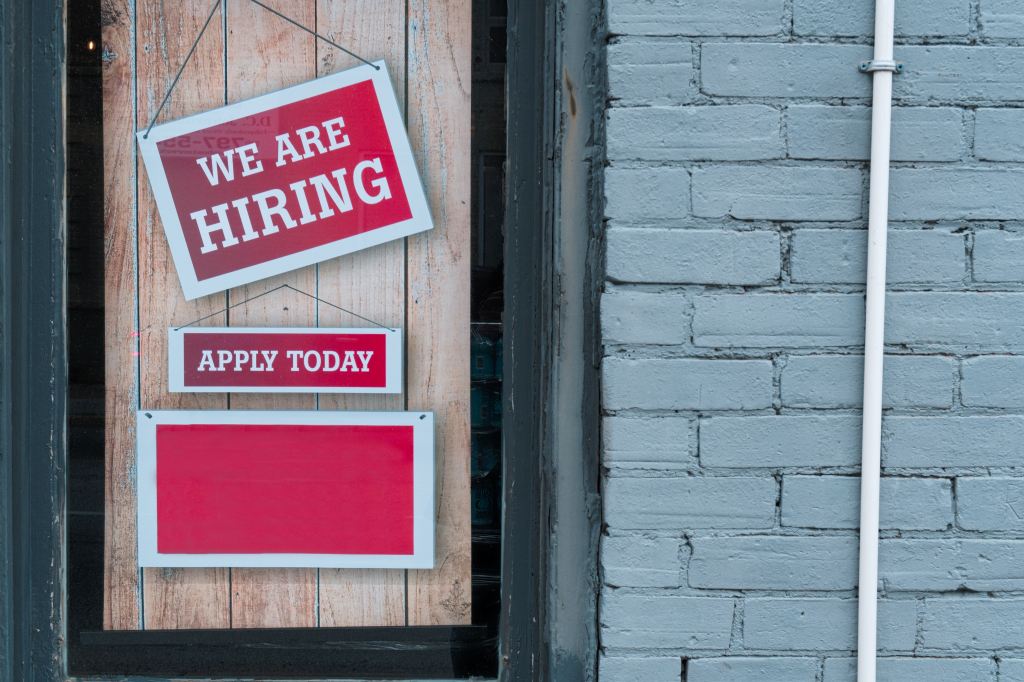
Imbuing ideas about who deserves to eat into anti-hunger policies does not do much to change behaviors, but it does ensure that more people don’t have access to resources or don’t believe that they are entitled to the food they need to survive.
When people aren’t allowed to use SNAP, they must turn to other resources like food pantries. Everyone must eat, so these policies simply offload the burden from government to nonprofit programs. There is no option for people to just not eat if they are not deemed deserving enough.
If we’re truly committed to the idea that everyone deserves to eat, then these policies need to be called out for perpetuating the idea that anyone doesn’t deserve access to healthy, nourishing food. Food security should not depend upon your employment status.
The opinions expressed here are solely my own and do not express the views or opinions of my employer.
Want to learn more about food justice? Subscribe so you never miss a post!

 Reintroducing justice and dignity to the fight to end hunger
One thought on “When Do People Deserve Help Getting Food?”