Discussions about hunger are everywhere right now. Most major foodbanks have increased their outreach efforts encouraging people facing hunger to seek out assistance now that their SNAP benefits have decreased. Across the street from my gym, a massive billboard from a national nonprofit encourages people experiencing hunger to visit their food pantries. Anti-hunger organizations everywhere are seeing enormous increases in need and anticipate that these numbers will continue to rise.
As we face potentially historic hunger rates, the anti-hunger community is bracing itself. There’s no question in any advocate’s mind that we’ll face this challenge head-on with all the ingenuity and stamina we’ve got as long as there are still hungry families. But even with all the dedication and enthusiasm in the world, there are major barrier to impede our efforts.
Is there enough food for everyone?
Technically yes, but also no. The United States has abundant agricultural resources that allows the nation to produce enough calories to feed everyone. There is enough food out there. But getting this food to the people who need it most in a timely and efficient manner is often impossible with the systems we currently have in place.

Time Limits
Unlike other products that a business might be able to store until they need it, food has a time limit. If it isn’t consumed by a specific moment, it’s garbage. (Food pantries have resources indicating how long past expirations dates foods are deemed to be edible and safe for distribution. Date checks and physical inspections are how quality is maintained.)
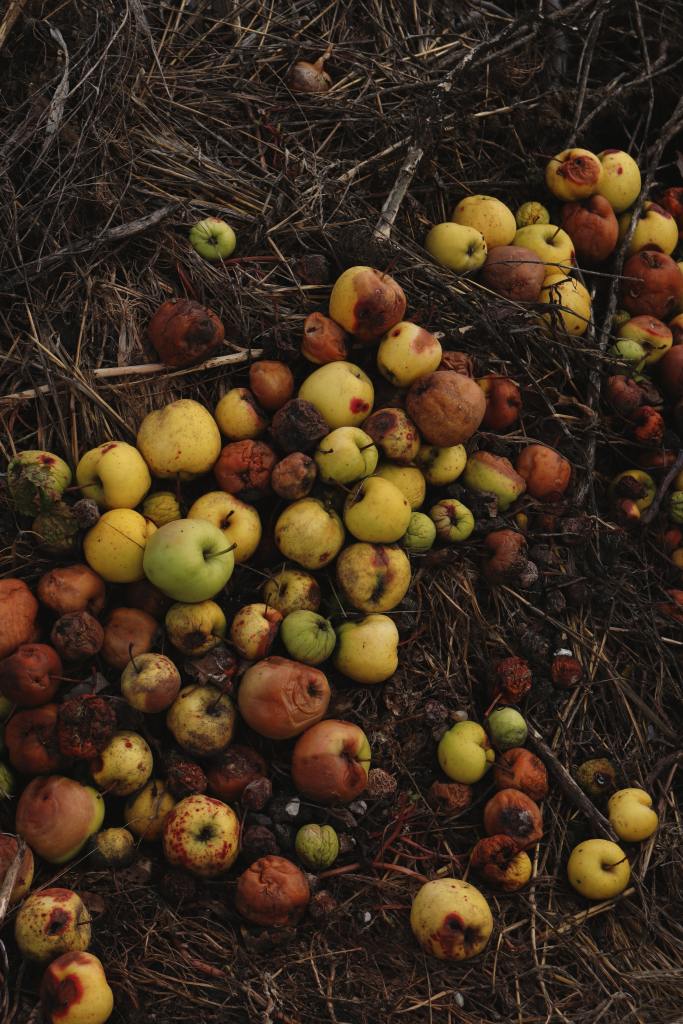
Much of the fresh food donated to the emergency food assistance program has already started to fade, which means it needs to be given away immediately. But it may not be donated when food pantries need it. Many pantries are open only a few hours at a time- rarely do organizations operate five days a week. If a donation comes available after a weekly distribution, chances are it will not last until the next week. Timing is a key factor in whether a donation can be accepted or not.
The other challenge food pantries face in distributing is how fast they can give food away. For organizations who set limits to ensure everyone gets equal amounts, that means always saving a little food. In some cases, that will include saving food until it is no longer edible.
Bulk donations may also not be able to be given away fast enough. Donations are often conditional to taking the entire amount, which can mean pantries end up with more than they want or can distribute. A pallet of arugula is better than no arugula, even knowing that half of it will end up in the garbage.
Dignity
Businesses are often very eager to donate food that is about to go bad. It provides a tax write-off and keeps it out of their dumpster. While it is important to incentivize donations, food pantries must find a balance between having food to fill the shelves, and giving away items that may make clients feel disrespected or worthless.
My food pantry uses two questions to evaluate if fresh foods are appropriate to give away:
- Will someone be able to eat this tomorrow (is it imminently inedible)?
- Will it bring someone joy?
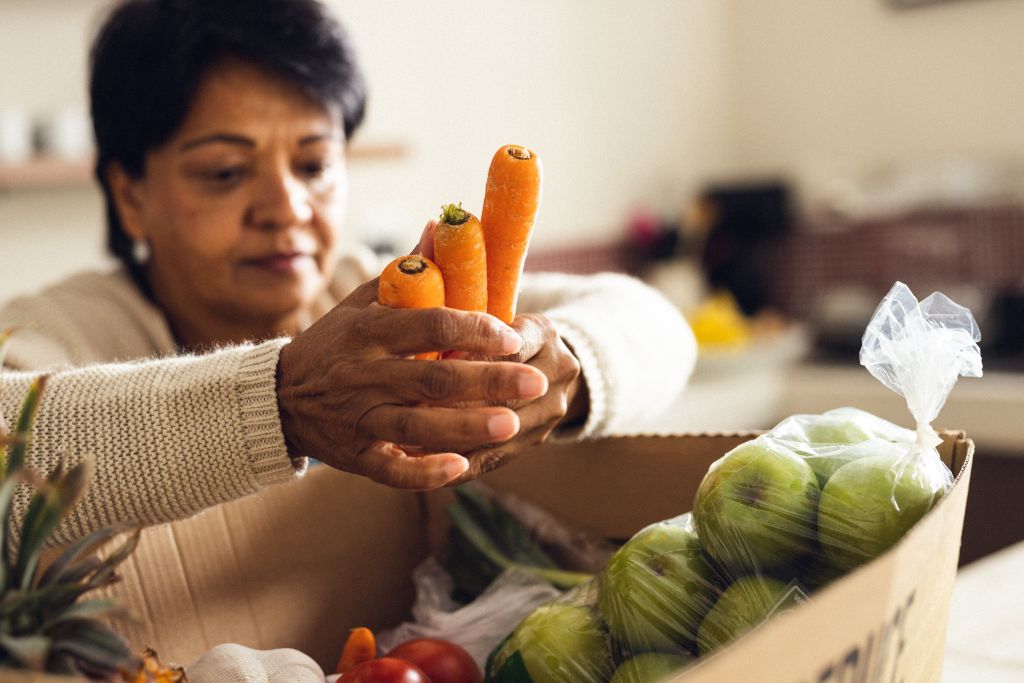
In the case of a moldy onion, it’s quite likely that although the outer layers are bad, there is functional onion inside. However, if you were experiencing hunger and came to a food pantry for help, how would being given a moldy onion make you feel? Probably not good.
We must make sure that our foods demonstrate the respect, dignity, and compassion that our clients deserve. If food pantries are committed to feeding everyone who needs it, it’s important that our clients feel positive or hopeful about their experience. We must consider how they feel as they unpack their groceries at home, which has just as much impact on whether they return as their actual shopping experience.
Transportation
One of the biggest challenges emergency food programs face is transportation. Food often comes available for donation unexpectedly and requires someone to pick it up. Few food pantries have extra capacity for their drivers, and they also tend to work with small vehicles while donations often come in bulk or on pallets. Food pantries may not have the capacity to take as much food as they want, even when they desperately need it. As client numbers grow, many organizations may be faced with demand that far outpaces their food supply.
Storage

Storage capacity is another overwhelming obstacle for food pantries. As small, underfunded nonprofits, food pantries work with the spaces accessible to them which can severely inhibit their capacity to store food. Many pantries are housed in awkward spaces like the basement of a church or unused classroom of a school which may offer only very limited storage. Cold storage may be a collection of home refrigerators and freezers that don’t come close to meeting the needs of the community. Another common model of food distribution is to set up tables full of food in a gym or parking lot, which means all the food being given away is moved from somewhere else and can’t be saved for next time. Not being able to store or stockpile means that once clients have emptied their shelves, there’s no way to refill it until their next food delivery comes in.
Because the type of food available to food pantries in unpredictable, the lack of storage also makes it harder to distribute food in useful combinations. Ideally, everyone would have pasta sauce to distribute alongside spaghetti, but if those foods don’t come on the same day, it can’t be done. Or days when not enough food comes in, pantries can’t pull out a stash of desirable foods to improve the options.
Food pantries are doing incredible and essential work to help fight hunger. Thousands of people are seeking food assistance for the first time in their lives, and are going to find the resources they need to get through another month. But food pantries are facing a real crunch as they have to strategize how to scale up their operations to ensure everyone needs are met while facing these obstacles. These barriers are not easily addressed, and significantly limit the capacity of pantries to fight hunger even as demand rises.

 Reintroducing justice and dignity to the fight to end hunger