How to Adopt an Attitude of Abundance

I recently had a conversation with a first-time client as she hesitantly browsed the shelves of our food pantry. She told me how grateful she was to access our resources, and then vigorously promised me that she would only take the foods she needed to get by until she next got paid.

American culture is steeped in the idea that people experiencing hunger do so because of their own failures, and that food pantries are at risk of abuse by these individuals. This is so engrained in our brains that many of our clients feel like they must reassure me that they won’t abuse our program while taking as little food as possible.
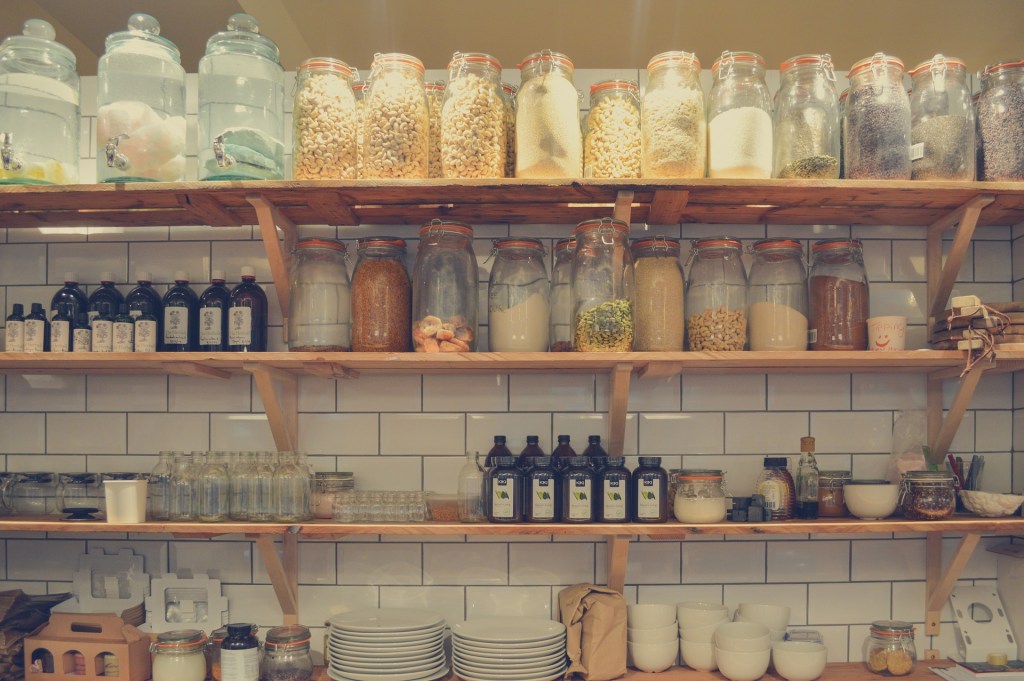
At my food pantry we emphatically believe that no one deserves to be hungry. Hunger is a systemic rather than individual problem, and we know we’re only a tiny band aid for a gaping wound. I gently responded to this new client by telling her that I wanted her to take more food than she needed. I asked her to try foods she’d never eaten before, and to pick out some ingredients that just looked fun to cook with. I told her I hoped she could find some indulgences to treat herself, and that I didn’t want her to only visit us when her cupboards were empty.

Our goal is to keep everyone’s kitchen stocked so that there is never a moment when they are unsure of when their next meal will be. She did not expect this answer and began to cry.

Why is it so radical to tell her to take as much food as she wants? What paradigm taught us to operate under this idea of scarcity?

What is a Scarcity Mindset?

The idea that there isn’t enough food for everyone is engrained in the emergency food assistance program. There isn’t enough food in the donation system for individual pantries, and there isn’t enough food for all the clients who visit those pantries. Pantries then limit how much food people take to ensure there is enough for everyone. It is a simple, clear way to equally dispense food to hungry households. It also makes it likely that someone experiencing hunger will leave a food pantry with less food than they want, and feeling that their individual needs were not met.

I have worked hard over the last several years to turn this attitude on its head by adopting an attitude of abundance. Although there are major shortages throughout the food system, I also see opportunities for changing how we think about the food we give away and the clients we serve.

 It is possible for food pantries to foster a culture which celebrates providing everyone the food they need and the dignity they deserve even while facing food shortages.

How do you cultivate an attitude of abundance?

Physical display of abundance

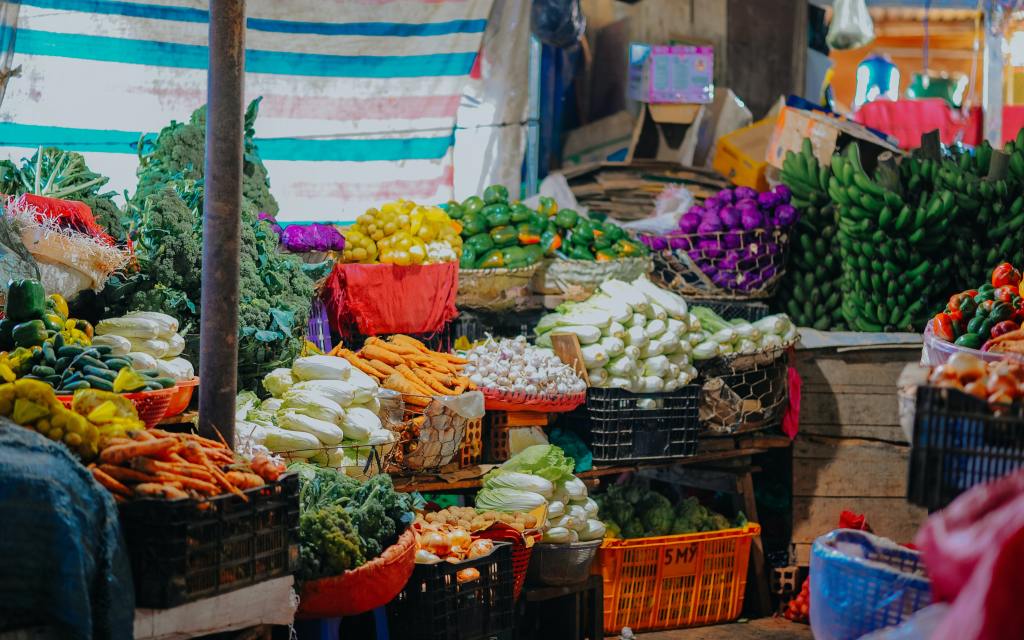
When we display food in bins, on shelves and in coolers, we make a deliberate attempt to make it look like we have as much food as possible. For our fresh produce bins, that simply means keeping them as full as possible so when clients walk in they immediately see plenty of brightly colored, healthy options.
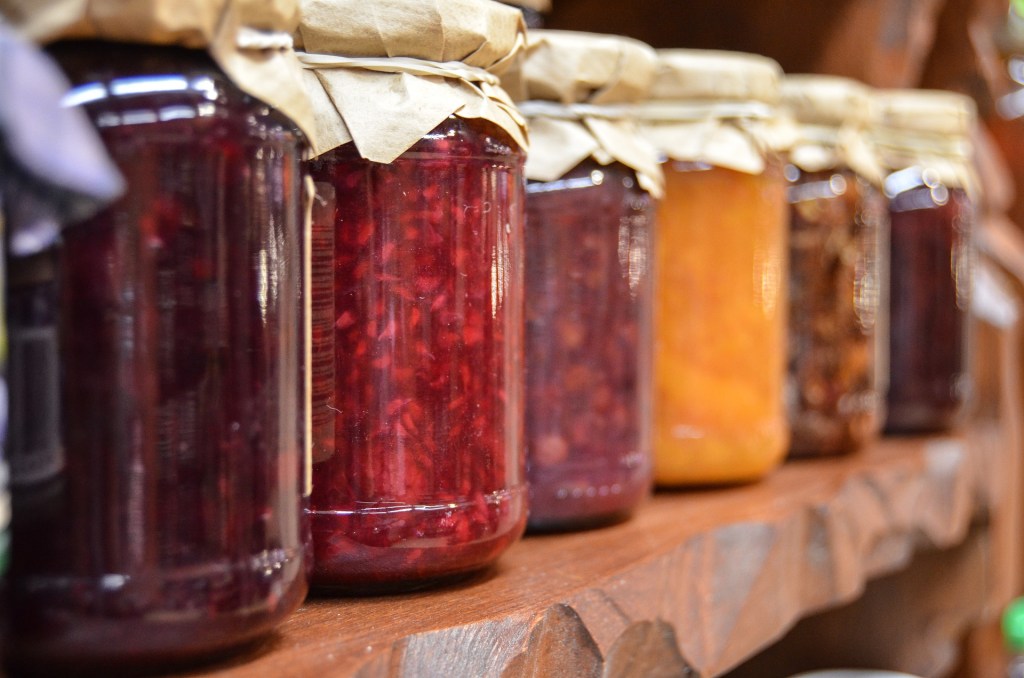
We also keep our shelves looking full by arranging items like canned goods to take up as much physical space as possible. This may mean not stacking them, bringing them to the front of the shelf, and neatly spacing them out. It is important when our clients first enter the food pantry that they immediately feel, “they’ve got lots of food for me,” rather than worrying about there being enough for everybody.

I also always tell our clients that there’s one specific food I want them to take lots of it. Regular clients now ask me as soon as they walk in, “what do you need me to take today?” This further emphasizes our abundance and implies that we need our clients’ help, making this a reciprocal relationship. (The excess food item has been sweet potatoes for months now due to a generous donor, so our clients will joke and tease me as I beg them to take yet another bag.)

Ensure the pantry culture embraces abundance (which means making sure your volunteers are on board!)

During the height of the pandemic, our pantry offered prepacked food boxes to minimize contact. It allowed us to strictly control how much food went out, but I still heard concerns from volunteers about someone getting too much or having too many specific requests to fill.

To change our attitudes while working with the prepacked boxes of food, I set challenges for my volunteers. I found items not packed in boxes because they were hard to find the perfect home for (frozen banana leaves, a fifty-pound bag of oatmeal, or jars of lutefisk), and challenged my volunteers to find someone who wanted them. It became a game to offer these items to every shopper, and a point of pride for the volunteers who successfully gave them away. Our team began to compete and then to brag about how well they did at meeting clients’ individual needs. As well as being fun, this emphasized to both volunteers and clients that we had an abundance to share, and helped my team appreciate the unique needs of everyone we served. We learned that having one specific item was often more meaningful to a client than giving them boxes and boxes of our regular options.

We also started offering first-time clients double the standard amount of food. Volunteers learned about the stigma of using food assistance, and how that may result in people postponing seeking help until their cupboards are literally bare. Giving double the food helped these families refill their cupboards and provided the emotional security of having what they need to be comfortable and not just survive.

This meant that new clients left with approximately 80 pounds of food. For individuals who had been anxious or reluctant to visit our pantry, this immediately changed their attitude. Many left in tears of gratitude, which also increased our volunteer satisfaction as they saw firsthand the impact that their service had for our neighbors experiencing hunger.

Although we now operate as a grocery-style pantry where clients make all their own food choices, the practice of focusing on individual needs and understanding the stigma of visiting a food pantry was transformational for our organizational culture.

Celebrate meeting your clients’ needs

Prioritizing individual needs and increasing the amount of food clients receive made our transition to a grocery-style pantry much easier since our team had already adopted an attitude of abundance. The most important thing we do now to maintain that culture is to celebrate when a client leaves with a full grocery cart. We know their cart is full of foods that work for them, and that making their own food choices brings dignity and autonomy to a process that can so easily be humiliating.
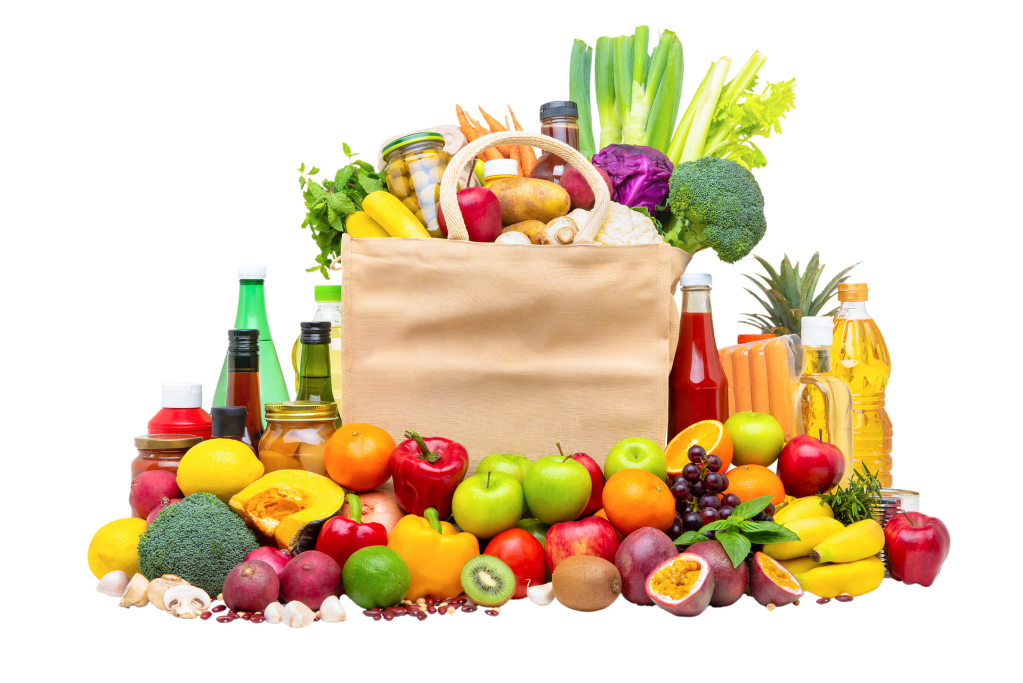
We have gradually seen the amount of food people take go down, as everyone transitions from a scarcity mindset to an attitude of abundance. Our clients know that we will have the food they need again next week, so there is no urgency in loading up today.


No matter what model a food pantry uses to distribute food, it is possible to foster an attitude of abundance. It is easy to focus on scarcity, but prioritizing abundance helps us change how we think about the needs of our community, how our clients feel when they use these services, and how to imbue dignity into the institutions that fight hunger.   

The opinions expressed here are solely my own and do not express the views or opinions of my employer.

Want to learn more about food justice? Subscribe so you never miss a post!
Why Don’t Food Pantries Have Enough Food?

Discussions about hunger are everywhere right now. Most major foodbanks have increased their outreach efforts encouraging people facing hunger to seek out assistance now that their SNAP benefits have decreased. Across the street from my gym, a massive billboard from a national nonprofit encourages people experiencing hunger to visit their food pantries. Anti-hunger organizations everywhere are seeing enormous increases in need and anticipate that these numbers will continue to rise.

As we face potentially historic hunger rates, the anti-hunger community is bracing itself. There’s no question in any advocate’s mind that we’ll face this challenge head-on with all the ingenuity and stamina we’ve got as long as there are still hungry families. But even with all the dedication and enthusiasm in the world, there are major barrier to impede our efforts.

Is there enough food for everyone?

Technically yes, but also no. The United States has abundant agricultural resources that allows the nation to produce enough calories to feed everyone. There is enough food out there. But getting this food to the people who need it most in a timely and efficient manner is often impossible with the systems we currently have in place.

Time Limits

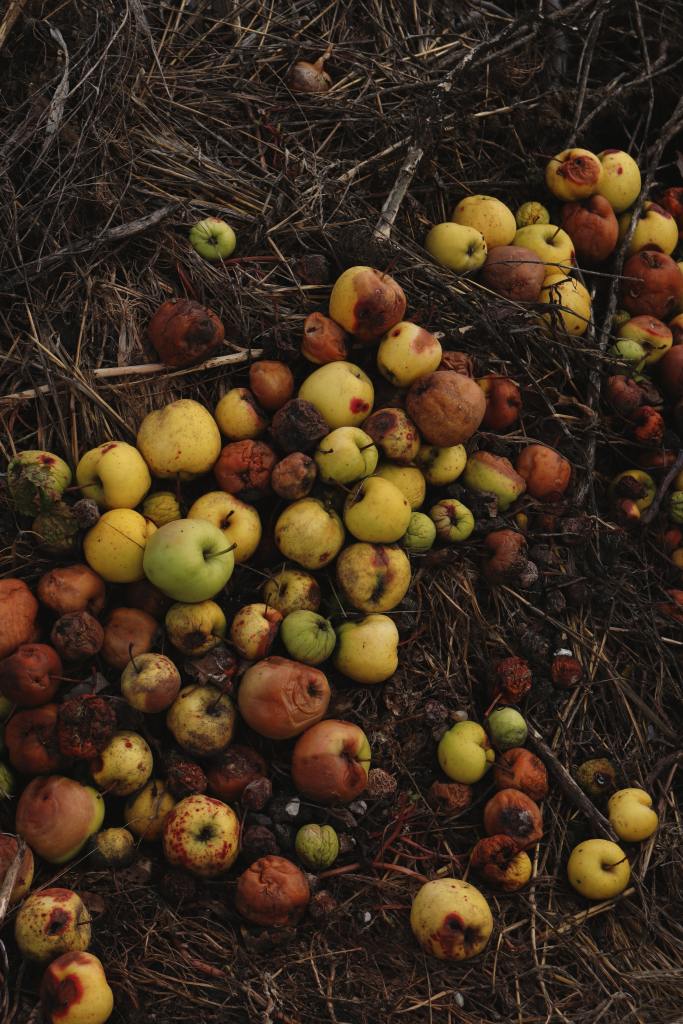
Unlike other products that a business might be able to store until they need it, food has a time limit. If it isn’t consumed by a specific moment, it’s garbage. (Food pantries have resources indicating how long past expirations dates foods are deemed to be edible and safe for distribution. Date checks and physical inspections are how quality is maintained.)

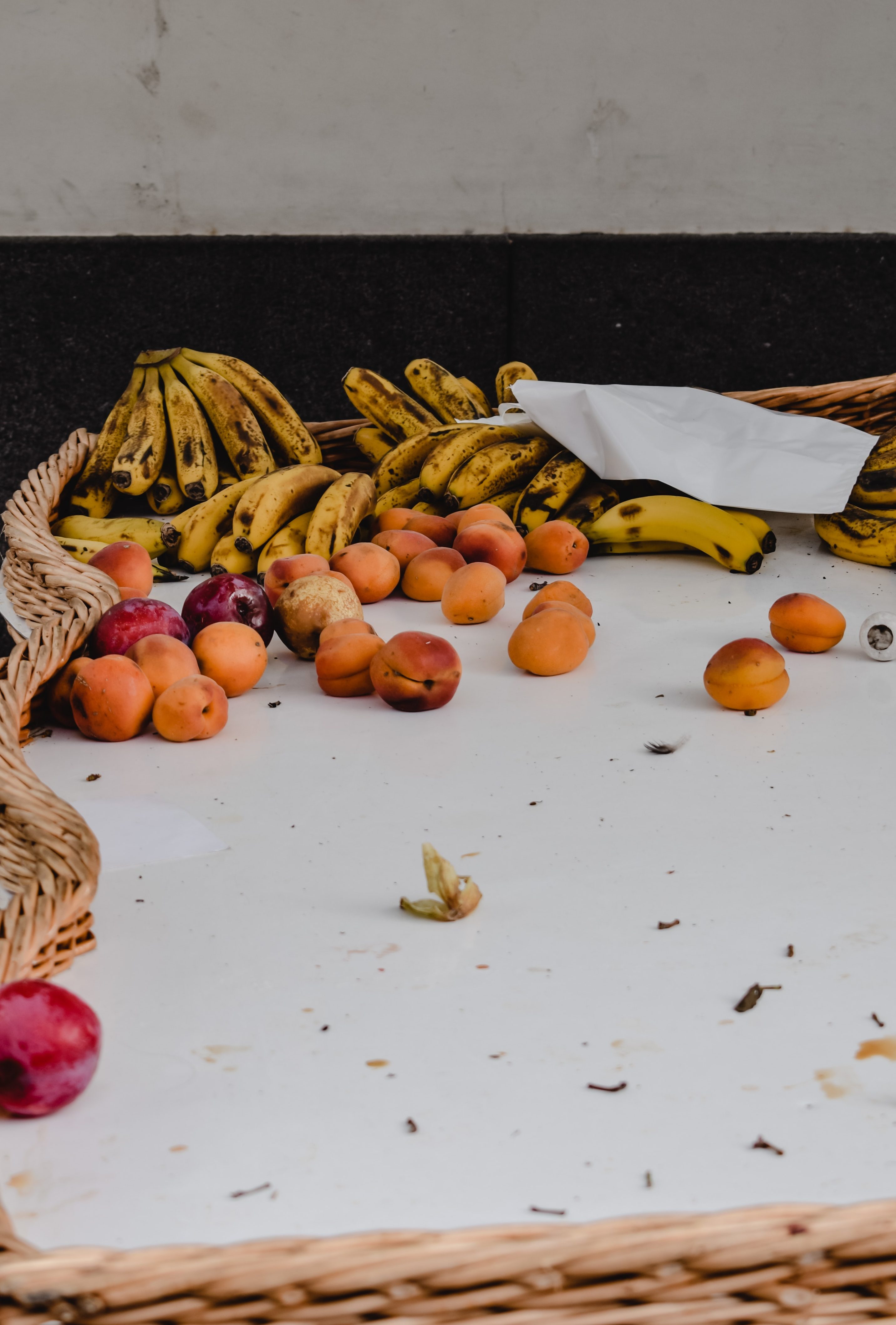
Much of the fresh food donated to the emergency food assistance program has already started to fade, which means it needs to be given away immediately. But it may not be donated when food pantries need it. Many pantries are open only a few hours at a time- rarely do organizations operate five days a week. If a donation comes available after a weekly distribution, chances are it will not last until the next week. Timing is a key factor in whether a donation can be accepted or not.

The other challenge food pantries face in distributing is how fast they can give food away. For organizations who set limits to ensure everyone gets equal amounts, that means always saving a little food. In some cases, that will include saving food until it is no longer edible.

Bulk donations may also not be able to be given away fast enough. Donations are often conditional to taking the entire amount, which can mean pantries end up with more than they want or can distribute. A pallet of arugula is better than no arugula, even knowing that half of it will end up in the garbage.

Dignity

Businesses are often very eager to donate food that is about to go bad. It provides a tax write-off and keeps it out of their dumpster. While it is important to incentivize donations, food pantries must find a balance between having food to fill the shelves, and giving away items that may make clients feel disrespected or worthless. 

My food pantry uses two questions to evaluate if fresh foods are appropriate to give away:

  1. Will someone be able to eat this tomorrow (is it imminently inedible)?
  2. Will it bring someone joy?

In the case of a moldy onion, it’s quite likely that although the outer layers are bad, there is functional onion inside. However, if you were experiencing hunger and came to a food pantry for help, how would being given a moldy onion make you feel? Probably not good.

We must make sure that our foods demonstrate the respect, dignity, and compassion that our clients deserve. If food pantries are committed to feeding everyone who needs it, it’s important that our clients feel positive or hopeful about their experience. We must consider how they feel as they unpack their groceries at home, which has just as much impact on whether they return as their actual shopping experience.

Transportation

One of the biggest challenges emergency food programs face is transportation. Food often comes available for donation unexpectedly and requires someone to pick it up. Few food pantries have extra capacity for their drivers, and they also tend to work with small vehicles while donations often come in bulk or on pallets. Food pantries may not have the capacity to take as much food as they want, even when they desperately need it. As client numbers grow, many organizations may be faced with demand that far outpaces their food supply.

Storage

Storage capacity is another overwhelming obstacle for food pantries. As small, underfunded nonprofits, food pantries work with the spaces accessible to them which can severely inhibit their capacity to store food. Many pantries are housed in awkward spaces like the basement of a church or unused classroom of a school which may offer only very limited storage. Cold storage may be a collection of home refrigerators and freezers that don’t come close to meeting the needs of the community. Another common model of food distribution is to set up tables full of food in a gym or parking lot, which means all the food being given away is moved from somewhere else and can’t be saved for next time. Not being able to store or stockpile means that once clients have emptied their shelves, there’s no way to refill it until their next food delivery comes in.

Because the type of food available to food pantries in unpredictable, the lack of storage also makes it harder to distribute food in useful combinations. Ideally, everyone would have pasta sauce to distribute alongside spaghetti, but if those foods don’t come on the same day, it can’t be done. Or days when not enough food comes in, pantries can’t pull out a stash of desirable foods to improve the options.


Food pantries are doing incredible and essential work to help fight hunger. Thousands of people are seeking food assistance for the first time in their lives, and are going to find the resources they need to get through another month. But food pantries are facing a real crunch as they have to strategize how to scale up their operations to ensure everyone needs are met while facing these obstacles. These barriers are not easily addressed, and significantly limit the capacity of pantries to fight hunger even as demand rises.

What Do You Think People Experiencing Hunger Should Eat?

On March 1st, 2023, anyone who received SNAP benefits (formerly known as Food Stamps) lost nearly one-hundred dollars per person per month thanks to the expiration of Covid-era bonus benefits. This cut has already had a terrifying impact on people experiencing food insecurity, and anti-hunger advocates expect that it will quickly grow much worse.

The rapidly rising number of people shopping at food pantries has demonstrated just how effective the SNAP program is. It provides dignity to users by allowing them to make their own choices and choose foods that work for their own families and lifestyles. The number of people returning to emergency food assistance services with the loss of these benefits shows us just how many didn’t need it while receiving these benefits.

 Despite the proven effectiveness of SNAP, doubts about the need for and value of welfare are pervasive throughout American society. They are largely fueled by the concept of the “welfare queen,” an imaginary 1980s character who used her welfare benefits to facilitate a life of leisure and excess at the expense of hard-working taxpayers. Concerns about the misuse of benefits and social services permeate how we think about hunger, and they’ve created a conundrum.

Thanks to fears of welfare abuse, society is ready to condemn anyone experiencing food insecurity who eats expensive or quality food.

High-end steak, organic produce, fancy olive oil, and other expensive foods are considered an inappropriate and unnecessary food choice for anyone struggling to meet their food needs. It is deemed irresponsible to spend money on these kinds of items when you could buy greater quantities of lower-quality ingredients.

Conversely, people experiencing poverty are regularly reprimanded for their unhealthy eating habits. Even though chips, soda, and salty snacks are the cheapest and most accessible foods, we see a constant stream of policy proposals eliminating the ability to purchase them with SNAP, increasing taxes to make them more expensive, or other mechanisms intended to make it harder for people living in poverty to access.

These biases have manufactured a very narrow window of food that is considered appropriate for people experiencing hunger to eat; they simply can’t win. They are expected to eat from-scratch meals from bulk ingredients, that are healthy but not too healthy (certainly not organic), but must not eat cheap, accessible soda, chips or instant meals either.

The desire to dictate what food should be available to people experiencing hunger comes from the deeply engrained assumption that people are poor because of personal failure.

American society assumes that people need food assistance because of poor decision-making, which leads us to believe that they make similarly bad choices when it comes to food and need to be told how to eat appropriately.

As anti-hunger activists, it is essential that we examine the biases that we carry through our work. This vision of what we think people should eat is unconscious and pervasive, but it requires a deliberate effort to recognize and change it.

We can start by fighting for people experiencing hunger to be able to make all their own food decisions. We should be advocating for higher and more accessible SNAP benefits, transitioning food pantries to client-choice models, and catching ourselves when we make judgements about what types of foods our neighbors choose to eat.

Building a Better Pantry: Help Your Clients Feel Welcome and Respected

I recently had a food pantry visitor tell me, “It’s embarrassing enough to be here, but you are so welcoming and friendly that it makes it better.” We can’t take away the need to use emergency food services, but there are many things we can do to make it as positive an experience as possible.

Even though the worst impacts of the pandemic lockdown are (hopefully!) behind us, hunger remains a serious problem for many Americans. Inflation, supply chain interruptions, and cuts to SNAP benefits make finding affordable and appropriate groceries more and more complicated. This means that individuals and families who have never previously needed help are finding themselves lined up outside of their local food pantry.

Getting your groceries at a food pantry for the first time can be overwhelming and intimidating. It’s a scary and humbling place to be, and it’s important to prioritize the humanity of this experience.

I’m going to share the techniques we use to ensure that our clients feel welcome and respected on their first visit and help know they are welcome to come back as long as they need our assistance. Although this may look like a simple list of changes to make, successful implementation depends on a genuine belief that everyone deserves to eat which will be entirely determined by the mindset and culture of your food pantry.


Help your clients feel seen.

Find your bubbliest volunteers and put them in charge of making sure every client is personally welcomed to the pantry. I am that person at my pantry, and I keep up a near-constant stream of chatter with whomever is in earshot. I reflect on the weather, eggplant recipes, and how I’m so excited about the latest delivery of sweet potatoes. If you have regular volunteers, help them learn client names so that they can welcome them on repeat visits. If you can remember their food preferences, or the story they told you about their child the other day, it feels so much more welcoming and comfortable.

Make check-in as simple as possible.

Food pantries have lots of reporting responsibilities, which can lead to an excess of bureaucratic processes. See if you can reduce the amount of data you gather. Evaluate what you REALLY need to know about your clients, and what you might have fallen into the habit of gathering for other reasons.

Don’t let your language get too clinical or formal.

Ask for their birthday instead of their date of birth. Don’t talk about their “eligibility” to get food- you’re going to get them food! Be as casual and carefree as you can about processing whatever intake information you need. You never want people to worry that they won’t receive food due to administrative complications.

Let clients make their own choices.

Food choice is important. Everyone knows their own needs best. I certainly would not be comfortable with someone making my grocery decisions for me! Letting shoppers decide what and how much food they need is empowering and dignified. Not everyone likes or eats the same food- so make your pantry reflect this. If you have the capacity, get rid of limits. Data shows that no-limit pantries actually often give away less food, since they increase client confidence that there will be more food on their next visit and reduce waste by letting clients target their specific needs.

Prioritize abundance.

Let clients know what items you have in plenty. Even if it’s something not everyone eats, let them know that you’re swimming in water chestnuts and tell them they should grab a few cans.

Don’t focus on what foods are running low; prioritizing abundance helps your clients develop confidence that you have what they need. It also naturally encourages people to take the appropriate amount for them rather than hoarding or being too frugal.

Celebrate when someone gets lots of food.

You should be proud you had the items that families needed to feel secure! Make check-out as easy as possible, so that no one feels guilty about the amount of food they take. Focus on the fact that you made sure they won’t go hungry tonight.


No one wants to get their food from a food pantry, and far too many people go hungry rather than risk the humiliation they anticipate. Surprise them, and food pantries will see happier clients, greater volunteer satisfaction since they can focus on helping people, and help you explore your next opportunities for building the best, most well-respected food pantry in your community.